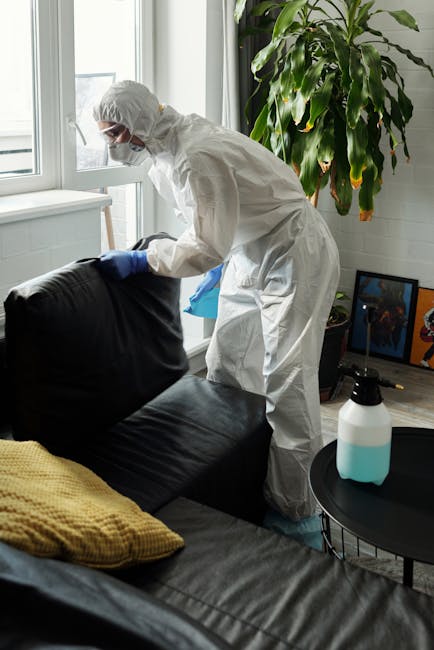
Complying with disposal laws for upholstery cleaning Kingston
Posted on 17/08/2026

Complying with disposal laws for upholstery cleaning Kingston: a practical guide for homeowners, landlords and cleaners
If you are arranging upholstery cleaning in Kingston, the job is not only about lifting stains and bringing a sofa back to life. There is also the less glamorous part: what happens to wastewater, dirty cloths, removed fabric, old fillings, and any chemical residue after the clean. Complying with disposal laws for upholstery cleaning Kingston matters because the wrong disposal method can create nuisance, environmental harm, and in some cases avoidable enforcement problems. The good news? Once you understand the basic rules and the usual best practice, it becomes much easier to stay on the right side of things. No drama, no guesswork.
This guide breaks down the practical side of upholstery waste disposal in plain English. You will learn what counts as controlled waste, how responsible cleaners typically handle residue and packaging, what to watch for in Kingston, and how to check that your cleaning arrangement is both effective and compliant. If you want a broader look at how a professional cleaning business works across the area, the services overview is a useful starting point.
Why Complying with disposal laws for upholstery cleaning Kingston Matters
Upholstery cleaning creates waste in several forms. There may be extracted water, soil, cleaning solution residue, used cloths, disposable sleeves, protective coverings, and occasionally damaged or removed material. On a small domestic job, the volume may look minor. Still, the legal and practical duty to manage waste correctly does not disappear just because the bucket is not full to the brim.
In Kingston, as in the rest of the UK, waste handling is not just an afterthought. A cleaner who casually pours wastewater into the wrong place, dumps contaminated materials in ordinary household waste when they should be separated, or leaves packaging lying around a block entrance is not just being untidy. They may be creating a disposal and safety issue. Let's face it, nobody wants a lovely freshly cleaned chaise longue to be remembered for the smell of a neglected wet vacuum tank in a communal bin store.
There is another reason this matters. Many upholstery cleaning jobs happen in flats, shared buildings, rental homes, offices, or student lets. That means shared waste areas, building rules, landlord expectations, and sometimes management company instructions. If you need to keep the wider property in good order too, a related read on Kingston council rules after clearance cleaning can help you think more broadly about disposal responsibilities.
For tenants, landlords, and businesses, compliance is also about reputation. A clean that looks excellent but leaves the customer wondering where the waste went is not really a complete service. Trust is built in the details.
How Complying with disposal laws for upholstery cleaning Kingston Works
At a practical level, compliant disposal starts before the cleaning machine is switched on. A responsible cleaner assesses the material, the soil level, the cleaning method, and the likely waste stream. That is especially relevant where a sofa or armchair has delicate fibres, heavy contamination, pet residue, or old stains that may require pre-treatment.
The usual process looks something like this:
- Identify the waste type. Wastewater, used pads, detergent containers, broken accessories, and old fabric pieces are not all handled in exactly the same way.
- Keep materials separate. Recyclable packaging should be separated from contaminated waste where possible.
- Contain liquids safely. Dirty extraction water should be collected in the machine tank or an approved container, not tipped wherever is convenient.
- Use approved disposal routes. Depending on the type of waste, it may need to go through standard commercial waste collections, domestic waste, or specialist handling.
- Leave the site tidy. That includes checking drips, wiping any residue, and removing packaging or disposable items.
The important thing to remember is that disposal law is not only about the final bin. It includes storage, transport, and the handover of waste. If a cleaner takes waste away in a vehicle, that waste should be secured properly and kept from leaking. It sounds obvious, but these are the sorts of details that matter when things go wrong.
In a typical Kingston home, a cleaner may collect residue on site and take only non-hazardous, non-contaminated packaging away. In a larger or more complex commercial job, there may be additional paperwork or waste transfer arrangements. If you are comparing services, the page on upholstery cleaning in Kingston upon Thames gives a useful sense of what a proper upholstery clean usually involves.
Key Benefits and Practical Advantages
Complying with disposal rules is not just about avoiding trouble. Done well, it improves the whole job from start to finish.
- Lower risk of contamination: Wastewater and dirty cleaning materials are contained rather than spread around the property.
- Better hygiene: Proper handling reduces odours, spills, and cross-contamination between rooms.
- Safer premises: Clean stairwells, corridors, and waste storage areas reduce slip and trip risks.
- More confidence for landlords and agents: Compliance shows the job has been managed professionally.
- Smoother inspections: If a property is being prepared for move-out, tidy waste handling makes the final handover easier.
- Less chance of avoidable complaints: Nobody likes finding a damp cloth shoved into the wrong bin or packaging left in a hallway.
There is also a commercial upside. Customers increasingly notice the difference between a cleaner who simply cleans and one who thinks through the full process. That includes waste handling, safe product use, and respect for the building. For a local business, that sort of care does a lot of quiet work in the background.
If you are organising broader upkeep rather than a one-off job, you might also look at deep cleaning services in Kingston or even one-off cleaning in Kingston upon Thames, depending on how much of the property needs attention. Waste handling should fit the scale of the job, not the other way round.
Who This Is For and When It Makes Sense
This topic matters to more people than you might first think. It is not just for cleaning companies with vans and machinery. The practical duties affect anyone who commissions, manages, or performs upholstery cleaning in a way that generates waste.
- Homeowners who are refreshing sofas, dining chairs, headboards, or occasional chairs.
- Landlords who want rented furniture cleaned between tenancies.
- Tenants leaving a furnished property and trying to avoid deposit disputes.
- Letting agents coordinating cleaning across multiple properties.
- Office managers arranging the upkeep of lobby seating, meeting-room chairs, or breakout furniture.
- Hospitality venues with fabric seating in guest areas.
- Cleaning contractors handling waste on behalf of customers.
It especially makes sense to think about disposal compliance when the job involves strong pre-treatments, stained pet bedding, water extraction from heavily soiled furniture, or a flat with limited waste access. If access is awkward, waste handling needs a bit more planning. That is one reason people in larger developments often check practical advice on cleaning access in Kingston riverside flats.
And yes, if you are booking under time pressure, disposal planning still matters. Same-day jobs can be tidy and compliant too, but only when the cleaner has enough systems in place. If not, things get messy fast. A useful companion read is same-day cleaning delays and solutions in Kingston.
Step-by-Step Guidance
Here is the simplest way to approach compliant upholstery waste disposal without overcomplicating it.
- Check the upholstery type first. Fabric, velvet, leather, synthetic blends, and natural fibres may need different products and methods. That affects the kind of waste you create.
- Ask how wastewater will be handled. A professional cleaner should be able to explain whether it will be contained in the machine, decanted safely, or removed from site in line with their waste process.
- Separate clean packaging from dirty waste. Cardboard boxes, plastic wrap, and unused consumables are best kept apart from contaminated cloths or residues where possible.
- Avoid draining liquid into unsuitable places. Do not pour dirty solution into storm drains, pavements, gardens, or communal areas. That is where simple jobs turn into avoidable problems.
- Keep a record if the job is commercial. For offices, landlords, or managed blocks, it is sensible to note what was removed and how.
- Dispose of contaminated textiles properly. Cloths, pads, or filters soaked in grime may need to be bagged and disposed of with care rather than tossed loose.
- Leave no trace in shared spaces. Check lift lobbies, entry mats, service corridors, and bin rooms before leaving.
That is the core process. Simple, really. But simple only works if it is done consistently, and consistency is where many problems start to show up.
If you are arranging a full property refresh, it can help to understand how upholstery sits within a wider clean. The article on spring cleaning in Kingston upon Thames is useful if your upholstery job is part of a larger seasonal reset.
Expert Tips for Better Results
These are the little things that usually separate a smooth job from a slightly awkward one.
- Pre-plan access and waste routes. If the only way out is through a narrow communal hallway, make sure bags, cloths, and equipment are already organised.
- Use as little product as necessary. More chemical is not automatically better. Over-wetting often creates more residue and more waste to manage.
- Choose products with practical cleanup in mind. A cleaner should think about rinseability and residue, not just stain removal.
- Protect hard floors and stairwells. A single damp footprint can become a slip risk, especially on polished surfaces.
- Keep an eye on odours. Smells often tell you if something has not been fully collected or sealed.
- Ask about insurance and safety procedures. If a spill happens, you want to know the business has a method for dealing with it. The page on insurance and safety is a helpful trust signal for that wider question.
A small but useful habit: before the cleaner leaves, do a quick walk-through with them. Look at the work area, the route they used, and any consumables left behind. Two minutes, maybe three. It saves hassle later. I know, not exactly glamorous, but it works.

Common Mistakes to Avoid
Most disposal mistakes happen because someone is rushing, guessing, or assuming "it's only a small amount." That assumption causes more trouble than people expect.
- Tipping wastewater into a random drain. Not every drain is appropriate for cleaning waste.
- Mixing contaminated and clean materials. Once everything is mixed together, disposal becomes harder and less tidy.
- Leaving waste in communal areas. Hallways, bin stores, and lift lobbies are not temporary storage.
- Using too much chemical. It can create more residue, more odour, and more cleaning waste than needed.
- Ignoring building rules. Many blocks have specific expectations about access, collection times, and bin use.
- Assuming domestic waste rules cover everything. That is not always the case, especially for commercial operators.
- Forgetting the final visual check. A room can look clean, yet still have a wet cloth under a chair leg or a spill trail by the door.
One common scenario we see is a customer assuming the cleaner will "sort it out somehow," while the cleaner assumes the customer has a bin plan. That little gap in communication is where mess sneaks in. A proper handover avoids that entirely.
Tools, Resources and Recommendations
You do not need a mountain of specialist kit to comply properly, but you do need the right basics. A well-prepared cleaner or customer should think in terms of containment, separation, and clarity.
| Tool or item | Why it helps | Best use |
|---|---|---|
| Extraction machine with sealed tank | Collects dirty liquid safely instead of spilling it around the property | Most standard upholstery cleans |
| Sealable waste bags | Keeps contaminated cloths and disposable items contained | Jobs with heavy soiling or pet-related waste |
| Protective sheeting | Reduces drips on floors and furniture routes | Flats, stairwells, and managed buildings |
| Microfibre cloths and reusable pads | Can reduce disposables when used correctly | Regular domestic and office maintenance |
| Clear site notes | Helps track what waste was produced and how it was handled | Landlords, agents, and commercial properties |
For people booking cleaning as part of a home move or furniture refresh, the practical pages on end of tenancy cleaning in Kingston upon Thames and domestic cleaning in Kingston upon Thames can help you think about the wider service picture.
It is also worth reviewing a company's approach to payment, terms, and customer care. That sounds unrelated at first, but it tells you whether they are organised in general. The pages on payment and security and terms and conditions are good examples of the kind of transparency customers appreciate.
Law, Compliance, Standards or Best Practice
Without pretending this is a full legal handbook, the basic principle is straightforward: waste from upholstery cleaning should be handled responsibly, kept out of inappropriate disposal routes, and managed in a way that does not cause pollution, nuisance, or safety risk. Where a business is involved, the duty is even stronger because commercial operators are expected to have proper waste controls in place.
Best practice in the UK generally means:
- segregating waste where sensible;
- keeping liquid waste contained;
- not overloading domestic bins with materials that should be handled separately;
- respecting landlord, block, and site rules;
- using a waste carrier or disposal method appropriate to the type of waste;
- avoiding any discharge that could cause contamination.
If the job is purely domestic and small scale, the disposal approach may be simple. If it is a larger commercial clean, there may be additional obligations around transport, transfer, and record keeping. That is where a careful, plain-English conversation with the cleaner is worth its weight in tea, honestly.
For anyone wanting reassurance about how a local cleaning business operates more generally, the about us and health and safety policy pages give a sense of the standards a responsible provider should care about. If you ever have a concern after a job, the site's complaints procedure is also worth knowing about.
Options, Methods, or Comparison Table
Different upholstery jobs call for different disposal approaches. Here is a simple comparison of the most common ones.
| Method | Best for | Pros | Watch out for |
|---|---|---|---|
| On-site contained extraction | Most domestic upholstery cleaning | Fast, tidy, minimal waste movement | Tank must be emptied properly afterwards |
| Bagging and removal of consumables | Cloths, pads, packaging, light disposables | Simple separation of clean and dirty items | Contaminated waste should be sealed |
| Scheduled commercial waste collection | Offices, venues, property portfolios | Better for larger volumes and repeat work | Needs planning and the right documentation |
| Specialist disposal for unusual contamination | Severe staining, infestation-related waste, unusual residues | Appropriate handling for higher-risk material | May cost more and take longer |
For most Kingston households, the first two methods will be enough. For managed properties or offices, the third is often more realistic. If you are thinking in commercial terms, the office cleaning Kingston upon Thames page is a useful reference point.
Case Study or Real-World Example
Here is a straightforward, realistic example. A furnished two-bedroom flat in Kingston needed an upholstery refresh before new tenants moved in. The set included a fabric sofa, two dining chairs, and a small upholstered bed frame. The main concern was not just the staining. It was access to the shared bin area and the need to avoid leaving damp waste anywhere in the communal hallway.
The cleaner planned the job in advance. Protective sheets were placed by the front door, disposable items were kept separate from reusable cloths, and the extraction machine tank was emptied into a contained disposal route rather than left until the end of the day. The customer was asked to clear space around the furniture so nothing had to be moved twice. Simple enough, but those little choices mattered.
By the time the job finished, there was no trail of drips, no mystery bag in the corridor, and no lingering chemical smell. The furniture looked better, yes, but the real success was that the waste side of the job felt invisible. That is what good compliance looks like. Not flashy. Just calm and sorted.
In a property-move scenario, this approach also fits neatly alongside local moving and buying decisions. If you are preparing a home sale or new tenancy, the related guides on wise buying in Kingston real estate and financing homes in Kingston may be useful background reading. Different topic, yes, but the same practical mindset applies: plan properly and you avoid headaches later.
Practical Checklist
Use this checklist before, during, or after upholstery cleaning to keep disposal tidy and compliant.
- Confirm what waste will be created during the clean.
- Ask how wastewater and dirty cloths will be contained.
- Make sure clean packaging is separated from contaminated waste.
- Check whether the building has any bin-store or access rules.
- Keep hallways, lifts, and shared spaces clear.
- Do a final sweep for drips, residue, and forgotten items.
- Use sealed bags for any contaminated disposables.
- Avoid pouring liquid into unsuitable drains or outdoor areas.
- Ask for clarification if the job involves commercial premises.
- Review the provider's safety and complaints information if needed.
If you want to compare options or ask a question before booking, you can also visit the pricing and quotes page or go straight to request a quote. For direct contact, there is also a simple contact page.
Get a free quote today and see how much you can save.
Conclusion
Complying with disposal laws for upholstery cleaning Kingston is not about making a simple clean feel bureaucratic. It is about doing the job properly from start to finish. When waste is contained, separated, and disposed of with care, the whole service becomes safer, tidier, and easier to trust.
That matters whether you are a homeowner freshening up a sofa, a landlord preparing a furnished let, or a business keeping seating presentable for visitors. And honestly, once you have seen one well-managed job and one badly managed one, the difference is obvious. The good one leaves a room quiet and ready. The bad one leaves questions behind.
If you take only one thing from this guide, let it be this: plan the waste side before the cleaning starts. It is a small step, but it saves time, protects the property, and makes the result feel complete.
For readers interested in other local cleaning topics, the blog archive at the Kingston cleaning blog is a sensible place to explore next.