High rise cleaning access problems Kingston riverside flats
Posted on 18/06/2026
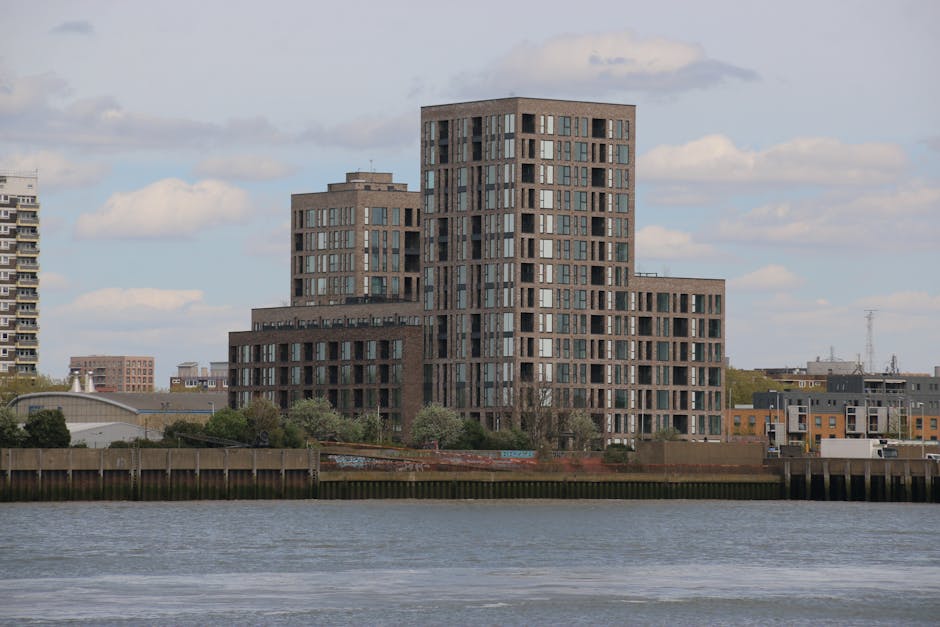
High rise cleaning access problems Kingston riverside flats: practical solutions for safer, easier access
If you live in a Kingston riverside flat, you already know the view can be brilliant and the logistics can be a bit of a headache. Windows sit high, balconies can be awkward, and external access for cleaning is rarely as simple as it looks from the river path. That is exactly why High rise cleaning access problems Kingston riverside flats deserves a proper, practical explanation. In this guide, we'll look at what creates the access issue, how professionals work around it, what good planning looks like, and what to avoid if you want the job done safely and without drama.
You'll also find a checklist, a comparison table, and a few realistic examples from the sort of buildings Kingston residents actually live in. No fluff. Just the useful stuff.
Why High rise cleaning access problems Kingston riverside flats Matters
Access is the part people underestimate. Everyone notices the dirt on a tall window or the marks on an exterior glass panel, but the real issue is getting close enough to clean it properly. In riverside flats around Kingston, that can mean dealing with height, restricted ledges, narrow balconies, shared communal spaces, and windows that simply don't open in a useful way. Sometimes the building design is elegant. Sometimes it is, frankly, a bit inconvenient.
Why does that matter so much? Because poor access affects more than appearance. It affects safety, cost, timing, and the quality of the clean. If a cleaner has to improvise on site because the access plan was weak, the job can slow down, become riskier, or leave awkward sections untouched. That is a bad result for everyone, especially in blocks where residents expect a tidy finish and minimal disruption.
Kingston's riverside flats often sit in busy, tightly managed developments. That brings extra considerations too: concierge arrangements, resident parking rules, restricted visitor entry, and neighbours who would rather not hear equipment being dragged through common areas at 8 a.m. A little planning saves a lot of apologising later.
For residents researching what life in the area is like, the broader local picture can help too. Our Kingston resident guide and the overview on Kingston's mix of charm and convenience both show why these buildings are so appealing, and also why access headaches are common in the first place.
Expert summary: In high-rise and riverside buildings, the cleaning plan matters almost as much as the cleaning itself. Good access planning protects people, property, time, and the final result.
How High rise cleaning access problems Kingston riverside flats Works
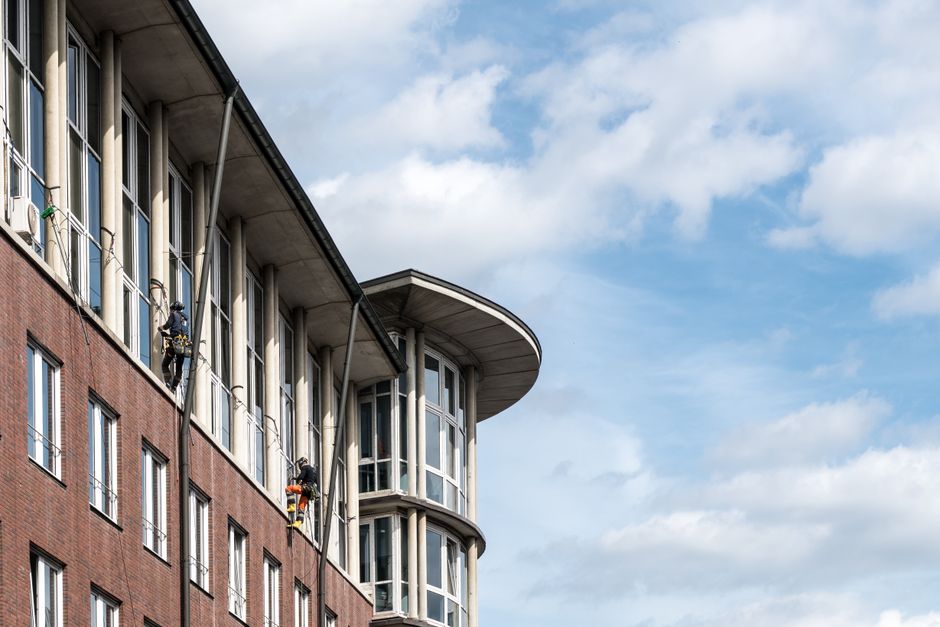
At a practical level, solving access problems is about matching the building to the right method. There is no one-size-fits-all fix. A cleaner first needs to understand how the windows, facade, balcony glass, or internal high-level surfaces can be reached safely. Then they assess whether the work can be done from inside, from a balcony, from a secure platform, or only with specialist high-level equipment.
In many riverside flats, the easiest route is internal access. That means cleaning the glass from inside the flat where possible, or working on the inside faces of large windows and doors. It sounds obvious, but it is often the safest and least disruptive option. External access is where the complications start. Window geometry, restrictive building rules, and weather exposure can all rule out a straightforward approach.
Professionals usually begin with a walkthrough or at least a detailed set of photos. They want to know the floor level, the style of window, whether the balcony can be entered, what the ground clearance looks like, and whether anything obstructs access from below. If there are safety concerns, they may need to adjust the service or decline a method that looks easy but is not actually suitable. To be fair, that caution is a good sign.
In some Kingston developments, residents also need to coordinate with building management. That may involve booking lift use, notifying concierge staff, or confirming whether ladders and specialist equipment are allowed on site. If you are arranging wider maintenance too, it can be worth looking at the kind of planning guidance found in the services overview and insurance and safety information, because high-level cleaning and access work should always be backed by a clear safety process.
Common access scenarios in riverside flats
- Balconies with limited edge space or narrow parapets
- Fixed or partially opening windows
- Glass panels facing the river with restricted external reach
- Concierge-controlled entry and timed access slots
- Shared walkways where equipment movement is awkward
- Upper-storey windows exposed to wind and spray
One small but important detail: access problems are not always about height alone. Sometimes the issue is the route to the window. A beautiful flat can still be a logistical maze, especially if the cleaner has to pass through busy communal corridors with hoses, cloths, poles, or machines. That's where planning earns its keep.
Key Benefits and Practical Advantages
When access is handled properly, the benefits show up quickly. The work becomes safer, smoother, and more predictable. You also get a better finish, because the cleaner can use the right method instead of improvising under pressure.
- Cleaner results: the right reach and angle mean fewer missed edges and streaks.
- Lower risk: sensible access planning reduces the chance of falls, slips, or damage to fixtures.
- Less disruption: residents, neighbours, and building staff deal with fewer interruptions.
- Faster completion: a clear route and method reduce wasted time on the day.
- Better accountability: agreed access notes make it easier to match the work to the building's rules.
There is also a cost advantage. It may sound counterintuitive, but organising access well can reduce the chance of repeat visits or abandoned work. In many cases, the more detailed the pre-job planning, the less likely it is that a cleaner turns up and discovers, at the worst possible moment, that the windows can't be reached the way everyone assumed.
For owners, landlords, and block residents, this can be particularly helpful during tenancy changeovers or seasonal refreshes. If you are already thinking about a broader property reset, services like deep cleaning in Kingston upon Thames and spring cleaning support often make the most sense once access issues are mapped out properly.
Who This Is For and When It Makes Sense
This topic matters to more people than you might expect. It is not just for building managers or landlords. If you live in a high-rise riverside flat, rent one, manage one, or clean one regularly, access planning affects you.
It is especially relevant for:
- Residents with external glass that is hard to reach
- Landlords preparing a flat for new tenants
- Letting agents needing a dependable turnaround
- Property managers coordinating block-wide cleaning
- Owners of penthouse or upper-floor flats with terraces
- Households that want routine domestic cleaning but have awkward layout issues
It also makes sense after building work, stormy weather, or a long period without exterior window cleaning. Riverside homes can pick up grime in a way that surprises people. Wind, moisture, traffic residue, and general city dust all leave their mark. A quick wipe rarely solves that; you need the right access and the right method.
If you are comparing broader local services, this is where it helps to think beyond the window glass itself. The same building constraints often affect other tasks too, such as one-off cleaning, domestic cleaning, and even end of tenancy cleaning when access needs careful scheduling.
Truth be told, if you have ever tried to clean the outside of a tall window with your arm stretched at an awkward angle, you already know why this matters.
Step-by-Step Guidance
Here is the practical sequence that usually works best. Nothing fancy, just the kind of approach that keeps everyone sane.
- Identify the access challenge clearly. Is it height, window design, balcony restriction, or building entry control?
- Measure what can be reached safely. Don't guess. Small differences in window size and positioning can change the whole plan.
- Confirm building rules. Check with management or concierge if equipment, timing, or common-area use needs approval.
- Choose the cleaning method. Internal reach, balcony access, extendable tools, or specialist height equipment may all be possible depending on the block.
- Set a realistic schedule. Allow extra time for access set-up, communication, and any delays caused by shared entry systems.
- Prepare the flat and communal route. Move fragile items, clear paths, and make sure the cleaner can work without squeezing around furniture.
- Review the result before the team leaves. It is easier to resolve a missed corner while everyone is still on site.
If the building has recurring issues, keep a simple access note for future visits. Something like, "balcony door sticks slightly," or "north-facing windows can only be reached from inside" saves a lot of confusion next time. Small thing, big difference.
If you want to compare your options before booking, the pricing pages can be helpful too. See pricing and quotes and the booking route at request a quote if you are ready to discuss a specific property.
Expert Tips for Better Results
Once you have the basics in place, a few practical habits make the whole process easier. These are the details that experienced cleaners and property managers tend to care about, because they prevent the annoying little problems that slow everything down.
1. Photograph the tricky windows before booking
A few clear photos from inside and outside can reveal whether the issue is simple or awkward. A lot of wasted time comes from assumptions. Photos cut through that quickly.
2. Tell the cleaner about locks, seals, and stiff handles
Old or tight window hardware is a genuine issue. If a frame is tricky, say so in advance. Nobody likes forcing a catch that should have been flagged earlier.
3. Plan around the wind
This is especially true in riverside settings. A breezy morning can make certain jobs less comfortable, and sometimes less practical. It's not dramatic, just reality.
4. Keep communal access instructions simple
If there is a concierge, key fob, or timed lift access, write the steps down clearly. Vague instructions cause more trouble than they save.
5. Separate "can be reached" from "should be reached"
Just because an area can technically be accessed does not mean it should be cleaned that way. Safe method always beats clever improvisation.
For residents who want ongoing upkeep rather than a one-off intervention, service pages such as house cleaning and carpet cleaning can help you build a more regular routine around the flat's access limitations. That way the windows, floors, and high-touch areas don't all become urgent at once. Nobody needs that.
Common Mistakes to Avoid
Most access problems become expensive or stressful because someone makes a small assumption too early. Here are the most common ones.
- Assuming all high-rise flats are the same. They are not. Two buildings on the same river stretch can have completely different access rules.
- Forgetting communal restrictions. A cleaner may be ready, but the building may not allow a particular method.
- Skipping a pre-check. Turning up and hoping for the best is a classic way to create delays.
- Ignoring weather and visibility. High-level work in poor conditions can be awkward and sometimes unsuitable.
- Choosing price before method. Cheapest is not always cleanest, safest, or even workable.
- Leaving valuables or fragile items near work areas. This is a small mistake that creates very unnecessary stress.
There is one more: not asking what happens if access fails. A decent provider should be able to explain how they handle aborted access, rescheduling, or alternative methods. That conversation feels boring right up until it becomes extremely useful.
Tools, Resources and Recommendations
For a topic like this, "tools" does not just mean equipment. It includes the practical things that make access work properly from the first visit.
| Need | Useful approach | Why it helps |
|---|---|---|
| Hard-to-reach glass | Extendable cleaning tools or an internal method | Reduces unsafe leaning or overreaching |
| Building entry control | Clear booking notes and concierge coordination | Prevents arrival delays |
| Repeated access issues | Written access notes for future visits | Saves time on repeat cleans |
| Safety concerns | Provider risk assessment and insurance confirmation | Protects residents and property |
| Full-flat refresh | Combine with broader domestic or deep cleaning | Makes the visit more efficient overall |
It can also help to think seasonally. After wet weather, you may need a more thorough exterior glass clean. After summer, balcony doors and tracks often collect more dust and grit. If you are comparing services for a wider refresh, the specialist pages on upholstery cleaning and house cleaning in Kingston upon Thames can be useful alongside access-sensitive window work.
And yes, a simple phone camera is often one of the best planning tools available. Not glamorous, but effective. Very effective.
Law, Compliance, Standards, or Best Practice
For high-rise access work, safety and competence matter more than flashy equipment. In the UK, good practice usually means following sensible risk assessment procedures, using trained staff, and ensuring any high-level method is appropriate for the site. Where a task involves height, unstable footing, or awkward reach, the provider should take that seriously and adjust the method accordingly.
That is not just bureaucracy. It is the difference between a routine job and a risky one. Residents should expect clear communication about access, equipment, timing, and any limitations. If a company is vague about safety, that is a red flag. Not a dramatic red flag, but still a red flag.
For building managers and landlords, a documented process is best. You do not need a thick folder on the kitchen table, but you do need enough information to show that access was considered properly. That usually includes:
- Who will provide access
- What areas are to be cleaned
- Which methods are allowed or not allowed
- What to do if access is blocked
- Any insurance or safety considerations
If you want to understand the company's approach to these matters in plain English, look at the site's health and safety policy, about us, and terms and conditions. Those pages are useful for building trust before anyone turns up on the day.
Best practice also means being honest about limits. If external access is unsafe or not permitted, the right answer may be an alternative method or a revised scope. That honesty is part of good service, not a failure.
Options, Methods, or Comparison Table
Different access problems call for different approaches. Here is a simple comparison that can help you think through what may work best for a Kingston riverside flat.
| Method | Best for | Advantages | Limitations |
|---|---|---|---|
| Internal cleaning only | Windows reachable from inside | Safe, quick, low disruption | May not clean outer faces thoroughly |
| Balcony-based access | Flats with secure external space | Good reach without complex kit | Not suitable for every layout |
| Extendable tools | Moderate height and straightforward geometry | Efficient for routine maintenance | Not ideal for severely restricted edges |
| Specialist high-level access | More complex facades or difficult positions | Can handle tougher external areas | Requires extra planning and permissions |
In practice, the best method is often the least complicated one that still gives a proper finish. Fancy is not a virtue on its own. Safe, effective, and repeatable is better.
Case Study or Real-World Example
Picture a riverside flat in Kingston with wide windows facing the water and a balcony that looks perfect in evening light. Lovely place. Then cleaning day arrives and you discover the outer glass is only partly reachable because the balcony railing, door angle, and window opening all limit access. The resident wants the glass cleaned before guests arrive that weekend, and the building manager has a narrow booking window for contractor access.
In that situation, a good plan would usually look like this: first, confirm what can be cleaned from inside; second, identify any areas that need a safer external method; third, check whether the building allows the chosen approach; and fourth, schedule the job at a time when the flats around it are least disrupted. If the cleaner knows in advance that the north-facing side picks up a stubborn film, they can bring the right tools and avoid wasting time fiddling at the window.
That kind of approach sounds modest, but it makes a huge difference. The work finishes cleaner, the resident feels listened to, and nobody is left awkwardly standing in the hallway wondering what went wrong. A small victory, maybe, but a real one.
For flats where the issue is part of a wider moving-out or property refresh situation, it can also help to coordinate with other services such as end of tenancy cleaning or specialist local support like house cleaning near Kingston Station and Bentall Centre when the timing needs to be tight.
Practical Checklist
Use this before booking or approving work in a high-rise riverside flat.
- Have I identified exactly which windows or surfaces are hard to reach?
- Do I know whether the cleaner can access them from inside, balcony, or another safe route?
- Have I checked building rules, concierge instructions, and lift access?
- Are fragile items moved away from the work area?
- Has the provider been told about tricky locks, seals, or restricted openings?
- Do I know what happens if access is blocked on the day?
- Have I asked whether the work is covered by suitable insurance and safety procedures?
- Is the visit time realistic for a building with shared access?
- Am I combining this job with other cleaning tasks to save time?
- Have I kept clear notes for the next clean, so the same problem doesn't happen again?
If you are still at the comparison stage, take a look at office cleaning for an example of how structured access planning is handled in another type of building, and how to avoid hidden cleaning charges if you want to understand what can inflate a quote unexpectedly.
Conclusion
High-rise riverside flats in Kingston are attractive places to live, but their cleaning access issues need proper thought. The main lesson is simple: the best results come from clear planning, safe methods, and honest communication about what is and is not reachable. Once access is mapped out, the whole job becomes easier, calmer, and usually cleaner too.
Whether you are a resident, landlord, or property manager, don't wait until the day of the appointment to discover the awkward bit. A few photos, a few notes, and a sensible method can save a lot of hassle. And if you are dealing with a flat that seems to have been designed by someone who never once had to clean a window, well, you are not alone.
Get a free quote today and see how much you can save.
When you want the job handled with care and a bit of real-world judgement, start with the right conversation. It makes the rest feel much less like a battle and much more like a plan.


