Kingston Council rules for waste disposal after clearance cleaning
Posted on 07/07/2026
After a clearance clean, the room looks better almost instantly. The floor is finally visible, the air feels lighter, and that nagging clutter is gone. But then comes the awkward bit: what do you do with the waste? If you are trying to understand Kingston Council rules for waste disposal after clearance cleaning, you are probably dealing with more than a bin bag or two. Old furniture, broken bits, bagged junk, mixed recyclables, carpet offcuts, packaging, and the odd mystery item can all end up in the same pile. That is where people get caught out.
This guide explains the practical side of disposal in Kingston in plain English. You will learn how to sort waste after a clearance clean, what to avoid putting out, how to reduce the risk of fly-tipping or missed collections, and how to make the whole process smoother for a home, rental property, or workplace. If you are already planning a bigger clean, it may also help to look at deep cleaning in Kingston upon Thames or browse the latest Kingston cleaning advice for more local guidance.
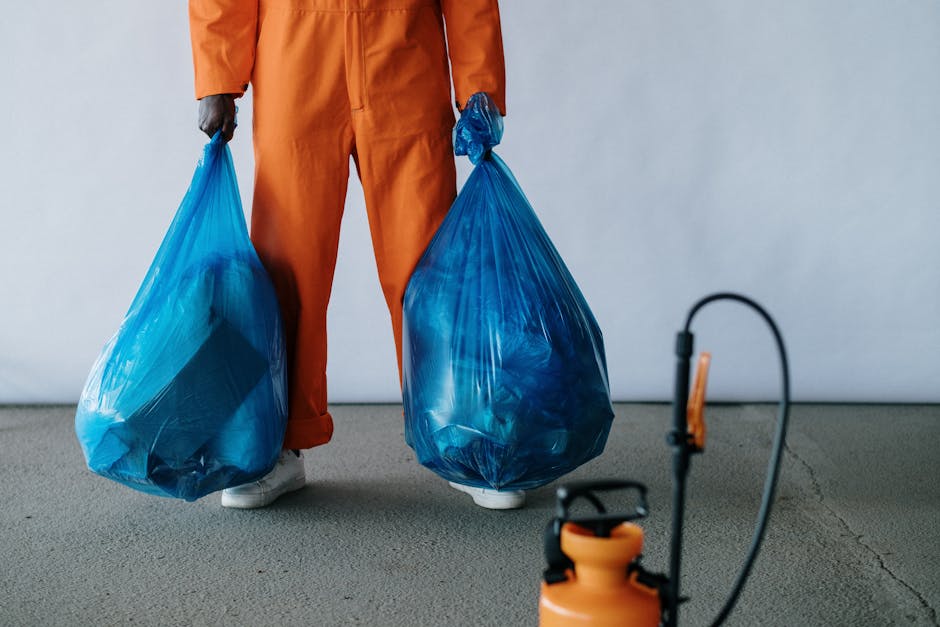
Why Kingston Council rules for waste disposal after clearance cleaning Matters
It matters because clearance waste is rarely neat. A standard domestic rubbish bin may be fine for a few bags, but once you have cleared a loft, emptied a spare room, or stripped out a property before moving, the volume and type of waste changes fast. One misplaced item can create a problem. A mattress left out incorrectly, paint tins mixed with normal rubbish, or bulky waste piled beside the bin store can lead to refused collections or complaints from neighbours. Nobody wants that awkward note through the door on a damp Tuesday morning.
In Kingston, as in most London boroughs, waste disposal is not just about getting rid of things. It is about using the right disposal route for the right material, at the right time, in the right container. After a clearance clean, that means thinking in categories rather than just "stuff to throw away". The more organised the sort is, the easier it becomes to stay compliant and the less time you spend re-bagging, re-labelling, or moving waste twice. To be fair, the waste stage is often the part people underestimate.
It also matters for safety. Clearance waste can include broken glass, sharp metal, old cleaning chemicals, contaminated cloths, and heavy items that are awkward to carry down stairs. If waste is handled carelessly, the risk is not only to the property but to the people carrying it. That is why our health and safety approach places so much emphasis on careful handling, sensible sorting, and safe movement of waste from start to finish.
Key takeaway: the rule is not simply "throw it away". The rule is: sort it properly, keep hazardous or awkward items separate, and choose the disposal route Kingston expects for that waste type.
How Kingston Council rules for waste disposal after clearance cleaning Works
Think of the process in layers. First, you identify the waste type. Then you separate what can go in normal household rubbish from what needs special handling. Finally, you decide whether it should be collected with your regular service, taken to a designated disposal route, or arranged separately as bulky waste. In real life, this often happens in one afternoon while doors are open, bags are moving, and somebody is asking where the spare chair came from. Happens more often than people admit.
After clearance cleaning, the main categories usually include:
- General household waste: mixed non-recyclable rubbish such as broken packaging, dirty disposable items, and worn-out soft goods that are not reusable.
- Recycling: clean cardboard, paper, glass, metals, and some plastic packaging, depending on local collection rules.
- Bulky items: furniture, large appliances, mattresses, and other oversized waste that will not fit in normal bins.
- Garden waste: branches, soil, grass cuttings, and similar material if a clearance involves outside areas.
- Hazardous or specialist waste: paint, solvents, batteries, electrical items, sharp objects, and anything that needs special care.
The practical part is making sure each stream stays separate enough to be useful. A mixed pile is where problems begin. For example, cardboard soaked with cleaning water is often no longer suitable for recycling, and a bag of general rubbish stuffed with a battery or broken glass can become unsafe for anyone handling it later.
If you are clearing a flat, a house, or an office, the same principle applies, although access changes the method. A ground-floor property may be easier to manage, while a block with narrow lifts or shared corridors needs a bit more planning. We see that especially when working around dense residential streets or access-limited buildings, including some of the situations discussed in high-rise cleaning access problems in Kingston Riverside flats.
Key Benefits and Practical Advantages
Following the right disposal process is not just about avoiding hassle. It makes the whole clearance feel controlled. That sounds simple, but when you are standing in a room full of bags, old shelves, and half a dismantled wardrobe, control is worth quite a lot.
- Fewer rejected collections: you reduce the chance of waste being left behind because it has been sorted badly or placed out incorrectly.
- Safer handling: people carrying the waste are less likely to be injured by sharp or heavy items.
- Better hygiene: properly bagged and separated waste is less likely to smell, leak, or attract pests while waiting for disposal.
- Lower stress: you know what is going where, which makes it easier to schedule the rest of the clean-up.
- Better for shared properties: neighbours, landlords, tenants, and building managers are less likely to complain if the site is left tidy.
- More efficient final checks: a clean clearance handover is easier to complete when waste has already been classified and removed correctly.
There is also a practical financial benefit. If you sort waste well before disposal, you may avoid unnecessary extra collection trips or last-minute service changes. That is one reason people often combine a clearance job with a planned one-off cleaning visit or a broader services overview package, so the waste stage is handled as part of a wider plan rather than as a panic at the end.
Who This Is For and When It Makes Sense
This guidance is useful for homeowners, tenants, landlords, letting agents, property sellers, office managers, and anyone clearing up after renovations, redecorating, or an end-of-tenancy clean. If a job creates more than a few standard bags of rubbish, you should assume the waste stage needs thought. Simple as that.
It makes particular sense if you are:
- clearing out a home before sale or let
- moving after a tenancy and want to leave the property tidy
- dealing with old furniture, broken fixtures, or unwanted appliances
- cleaning up after a long overdue spring clean
- preparing an office, shop, or storage area for handover
- managing a family property where several rooms have been emptied at once
In Kingston, property movement can be brisk, and that creates deadlines. If you are dealing with a sale or letting timeline, you may already be juggling keys, viewings, or inventory checks. In that case, the waste plan should sit alongside the cleaning plan. Articles like Kingston real estate: a guide to wise buying and should you live in Kingston? residents talk may be useful if you are thinking about property decisions in the wider context, not just one clean-up.
Step-by-Step Guidance
Here is the simplest way to handle clearance waste without turning the job into a full weekend saga.
- Separate waste by type before anything goes outside. Put recyclables, general waste, bulky items, and hazardous items into different piles. Use boxes, bags, or marked zones if space allows.
- Remove anything reusable. It is easy to throw away items that could be donated, sold, or reused. Once they are in the rubbish pile, that option is gone. Gone for good, usually.
- Bag general waste securely. Use strong bags and do not overfill them. Broken handles and split bags create mess very quickly, especially in hallways or stairwells.
- Keep recyclables clean and dry where possible. Cardboard, paper, and empty containers are easier to process when they are not mixed with food waste or liquids.
- Isolate hazardous items. Batteries, chemicals, fluorescent tubes, and sharp objects should not be dropped into ordinary mixed waste. Treat them separately and carefully.
- Plan bulky waste last. Measure doorways, stairs, lifts, and hall access before moving furniture or large items. An item that looks manageable in a bedroom may become a problem in a narrow lobby.
- Schedule removal in a sensible order. Clear the easiest waste first, then the bulky or awkward items, then complete a final sweep for small items like screws, nails, and packaging.
- Do a final site check. Look under beds, behind doors, in cupboards, and around skirting boards. A lot of missed waste turns up in the last five minutes.
If you are dealing with carpets, fabric items, or upholstered furniture that have been left damp or dusty after clearance, you may want to follow up with specialist care such as carpet cleaning in Kingston upon Thames or upholstery cleaning in Kingston upon Thames before disposal decisions are made. Sometimes an item only looks beyond saving until it is properly assessed.
Expert Tips for Better Results
First, do not leave sorting until the end. It sounds efficient to pile everything together and sort later, but later is where things get messy. Labels peel off, bags blend together, and you lose track of what needs specialist disposal.
Second, protect circulation routes. In a Kingston terrace, flat, or office corridor, waste movement should be planned so nothing blocks fire exits or shared access. That is not just tidy; it is sensible. If you are working in a building with stairs, lifts, or limited parking, give yourself more time than you think you need. A 20-minute removal can become 45 minutes very quickly once you are carrying bulky items around a corner.
Third, keep a small "decision pile" for items you are unsure about. Not everything needs immediate disposal. Some items are worth checking for resale, repair, or reuse, and that pause can save money and waste. A slightly wobbly chair, for example, may be repairable while a water-damaged shelf is probably not. Let the item tell the truth, as they say.
Fourth, think about timing. Clearance waste left sitting outside overnight can be weather-damaged, spread around by wind, or picked through. If collection is not immediate, keep everything contained and protected. That sounds obvious, yet it is often the bit people forget when the place is finally clear and everyone wants a cup of tea.
If you are arranging cleaning around a move or a tenancy change, it can help to read what to know about booking cleaners for student lets in Kingston and end of tenancy cleaning in Kingston upon Thames. Those situations often involve more waste than people expect, especially with leftover storage items and abandoned bits of furniture.
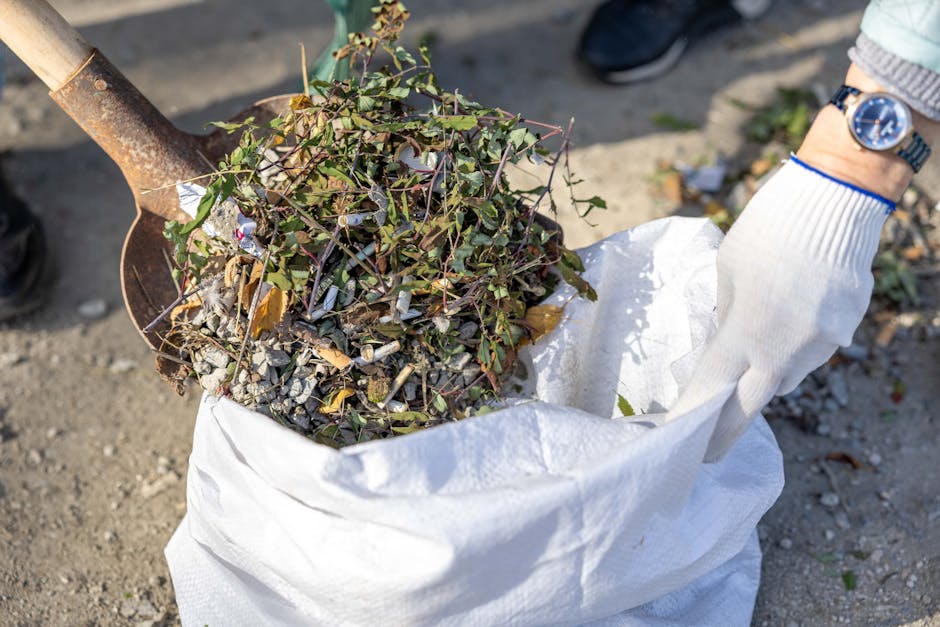
Common Mistakes to Avoid
The biggest mistake is mixing everything together and hoping it will sort itself out. It will not. Mixed waste is harder to remove, harder to recycle, and more likely to be rejected.
Other common mistakes include:
- Putting prohibited items into normal rubbish: this is how batteries, sharp materials, and chemical containers get missed.
- Overfilling bags: they split on stairs, in lifts, or on the pavement.
- Blocking shared areas: waste left in corridors or entrances creates friction with neighbours and building managers.
- Leaving bulky items too late: large waste often needs more planning than people assume.
- Assuming all packaging is recyclable: dirty, wet, or contaminated packaging often is not.
- Forgetting landlord or building rules: some properties have stricter disposal expectations than household collection rules alone.
Another subtle mistake is treating "cleared" and "disposed of" as the same thing. They are not. A room can look clear while waste is still sitting in a hallway, on a balcony, or in a bin store waiting for collection. Until it is actually removed, the job is not finished. Bit blunt, but true.
Tools, Resources and Recommendations
You do not need fancy equipment, but a few basic tools make a huge difference.
- Heavy-duty refuse sacks: useful for mixed household waste and small bulky remnants.
- Clear storage boxes or labelled tubs: helpful for separating recyclables, reusable items, and specialist waste.
- Gloves and sturdy footwear: practical for handling broken or awkward items.
- Tape, marker pens, and labels: useful for marking bags or boxes before removal.
- Hand truck or trolley: valuable for heavy items, especially in flats or larger homes.
- Protective wrapping: useful for anything sharp, dusty, or likely to tear bags.
On the planning side, it helps to know which disposal route suits which type of waste. General household rubbish is straightforward. Recyclables should stay clean and separate. Bulky waste needs more thought. Specialist waste should be kept apart immediately, not "sorted out later". If you are already arranging a larger clean, it may be worth looking at spring cleaning in Kingston upon Thames or pricing and quotes so you can build waste handling into the job from the outset.
For readers who want a simple next step, requesting a quote is often the easiest way to compare cleaning and clearance support without committing to guesswork. And if you want to ask about access, timing, or waste handling before booking, the contact page is the right place to start.
Law, Compliance, Standards, or Best Practice
Waste disposal in the UK sits under general legal and environmental expectations that are meant to stop waste from being dumped improperly or handled unsafely. For everyday readers, the practical message is simple: do not abandon waste, do not put hazardous items into the wrong stream, and do not leave materials where they can create a nuisance or risk. If you are a landlord, business owner, or managing agent, the standard of care is even higher because you are responsible for keeping the site orderly and safe.
Best practice after clearance cleaning usually means:
- sorting waste before disposal
- keeping hazardous items separate
- storing waste securely until collection
- avoiding obstructions in communal areas
- using the correct collection route for bulky or specialist items
- making sure any contractor follows safe handling procedures
That last point matters. If a cleaning or clearance provider is involved, you want to know how waste is handled from the moment it leaves the room. Good providers should be clear about their process, their safety practices, and their insurance expectations. If you want to understand the wider standards behind that approach, our insurance and safety information explains the kind of reassurance customers usually look for.
Practical rule of thumb: if an item could injure someone, leak, stain, or create a collection issue, do not treat it like ordinary rubbish.
Options, Methods, or Comparison Table
There is more than one way to handle clearance waste, and the right option depends on quantity, time, and access. A small flat clearance is not the same as clearing a whole family home after years of accumulation. Here is a simple comparison.
| Method | Best for | Pros | Watch outs |
|---|---|---|---|
| Regular household collection | Small volumes of standard waste | Simple and familiar | Not suitable for bulky items or mixed problem waste |
| Bulky waste arrangement | Furniture, mattresses, large items | Designed for oversized waste | Needs planning and correct item separation |
| Self-handle and sort | Organised households with time | Cost control and flexibility | Can be labour-heavy and time-consuming |
| Professional cleaning plus waste support | Moves, end of tenancy, office clearance, deep cleans | Efficient, safer, less stressful | Needs clear instructions and good access planning |
For many Kingston residents, the best choice is a mixed approach: sort at home, remove reusable items first, then use a planned disposal method for the rest. If you are unsure about the balance, a broader service such as domestic cleaning in Kingston upon Thames or house cleaning in Kingston upon Thames may help bridge the gap between cleaning and final clearance.
Case Study or Real-World Example
A fairly typical case: a two-bedroom flat near the centre has been used as a long-term rental. By move-out day, the tenant has a mix of general rubbish, old storage boxes, a broken desk chair, a worn rug, and a few items left behind in cupboards. Nothing dramatic on its own, but enough to become a problem if dumped together.
The practical solution was simple. Reusable items were set aside first. Cardboard was flattened and kept dry. The chair and rug were separated as bulky waste, and small rubbish was bagged securely. One drawer contained batteries and a dried-out cleaning spray, so those were kept apart. The result? The clearance went faster, the property was left cleaner, and the waste didn't become a source of complaints. Nothing flashy. Just decent organisation.
That kind of situation is common around busy parts of Kingston, especially where people are moving between rentals, selling homes, or preparing properties for new occupants. If you are in a similar position and want to stay on schedule, it may be worth looking at local service pages such as office cleaning in Kingston upon Thames for workspaces or house cleaning in Kingston upon Thames for residential clear-outs that need a tidy finish.
Practical Checklist
Use this before you put anything out for disposal after a clearance clean.
- Have I separated general waste, recycling, bulky items, and hazardous items?
- Are all bags secure and not overfilled?
- Have I removed anything reusable or valuable?
- Are sharp objects wrapped or boxed safely?
- Are liquids, chemicals, and batteries kept apart?
- Have I checked communal areas, cupboards, and behind furniture?
- Do I know which items need a special disposal route?
- Will anything left outside create an obstruction or nuisance?
- Have I planned the timing of collection or removal?
- Is the final space clear enough for a proper handover?
Small expert reminder: if you can answer yes to those ten points, you are already ahead of most rushed clear-outs.
Conclusion
Kingston Council rules for waste disposal after clearance cleaning are easiest to follow when you think in categories, not chaos. Sort the waste. Keep hazardous items apart. Handle bulky items with a plan. Avoid leaving anything in shared spaces longer than necessary. That approach is practical, safe, and far less stressful than trying to fix a mixed pile at the last minute.
Whether you are clearing a home, a tenancy, or an office, the real aim is simple: finish the job properly so the space is ready for whatever comes next. That might be a sale, a new tenant, a refreshed family home, or just the quiet relief of walking into an empty room that finally smells clean. A small win, but a real one.
If you want help planning the cleaning side of a clearance or need advice on how the waste stage fits into the overall job, take a look at our service overview and get in touch when you are ready.
Get a free quote today and see how much you can save.